
Enter any showroom and chances are high that almost all SUVs present in the display will offer you off-road capabilities. However, capability is not just a feature on an SUV pamphlet. It’s a series of engineering choices that work well or fail when the time comes. That’s why, it’s always important to be aware of the differences between the best off-road vehicles and others before making a choice.
What Actually Defines the Best Off-Road Vehicles
1. Chassis Construction
The foundation of any great off-road vehicle is what sits beneath it. The body-on-frame design, which places the body independently of the ladder frame, is the preferred construction method when it comes to engineering off-road vehicles. It withstands shocks, flexes with uneven terrain, and handles sustained stress that is different from the way a unibody vehicle does.
2. Traction Control and Differential Locks
When one of the wheels loses its traction on loose sand, wet rocks, or watered crossings, the traditional AWD transmits torque to the slipping point. The top-rated off-road vehicles have front, central, and rear differentials locked, which forces the transmission of torque to the wheels with traction. Without these differentials locked, the vehicle stops, but with them, it keeps moving.
3. Ground Clearance and Approach Angles
Ground clearance is used to decide whether the vehicle will clear the obstacles or hit them. The approach and departure angles decide whether the vehicle will get into and out of the rough terrain without dragging either the front or the rear. This measurement becomes relevant for rocky terrain, wadis, and steep slopes.
4. Wading Depth
This can be regarded as one of the most honest indicators of true off-roading capabilities. Majority of SUVs have been designed to traverse water. However, the best off-road vehicles have been made for traversing flooded areas safely without any risk to the engine, transmission or driver.
5. Suspension Design
Road-suspension tuning is designed for smooth roads. Off-road suspension systems are engineered to keep wheels on the surface even when the terrain becomes extremely bumpy. Suspension systems utilizing rigid axles, along with different terrain drive settings, enable a vehicle to adapt to the terrain rather than resist it.
6. Long-Term Field Durability
The same vehicle may have a great performance during one test and poor performance during another. The ideal off-road vehicles should be designed in such a way that they can be used constantly without any difficulty, and they are easy to maintain.
How the 212 Measures Up
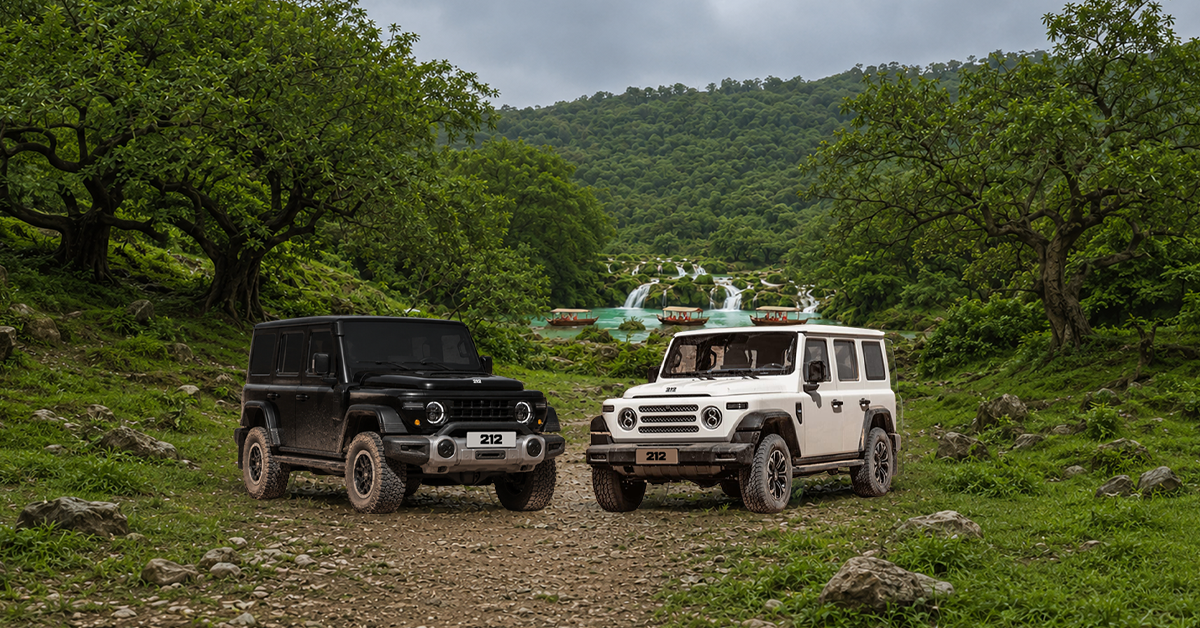
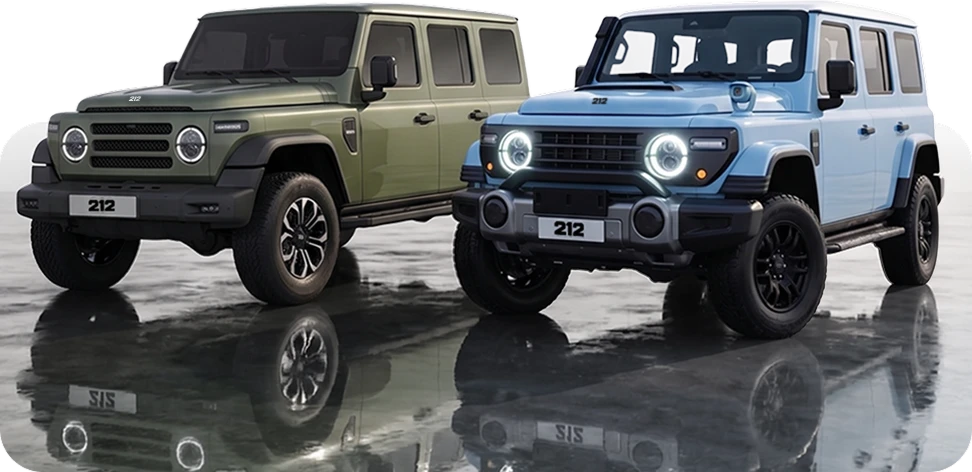
It is now time to put all these requirements to test with respect to the 212, and everything becomes evident.
Chassis build of the 212 is made according to body-on-frame ladder frame of 99% high strength steel construction. This is the same chassis type which made military legacy of the 212 from 1961.
Traction control is provided by the presence of front, center and rear differential locks in the 212 Adventurer and Navigator models. They provide the power where it is needed most.
Ground clearance for the 212 Adventurer is 235 mm with approach and departure angles of 40.3° and 35.5°. The Navigator model increases ground clearance to 252 mm with approach and departure angles of 42.1° and 38.3°. These figures allow tackling of any rocky area of Oman without any problem.
Wading depth for the 212 Adventurer is 659 mm and for the Navigator model it is incredible 910 mm, almost 1 meter, while climbing gradient is 80%.
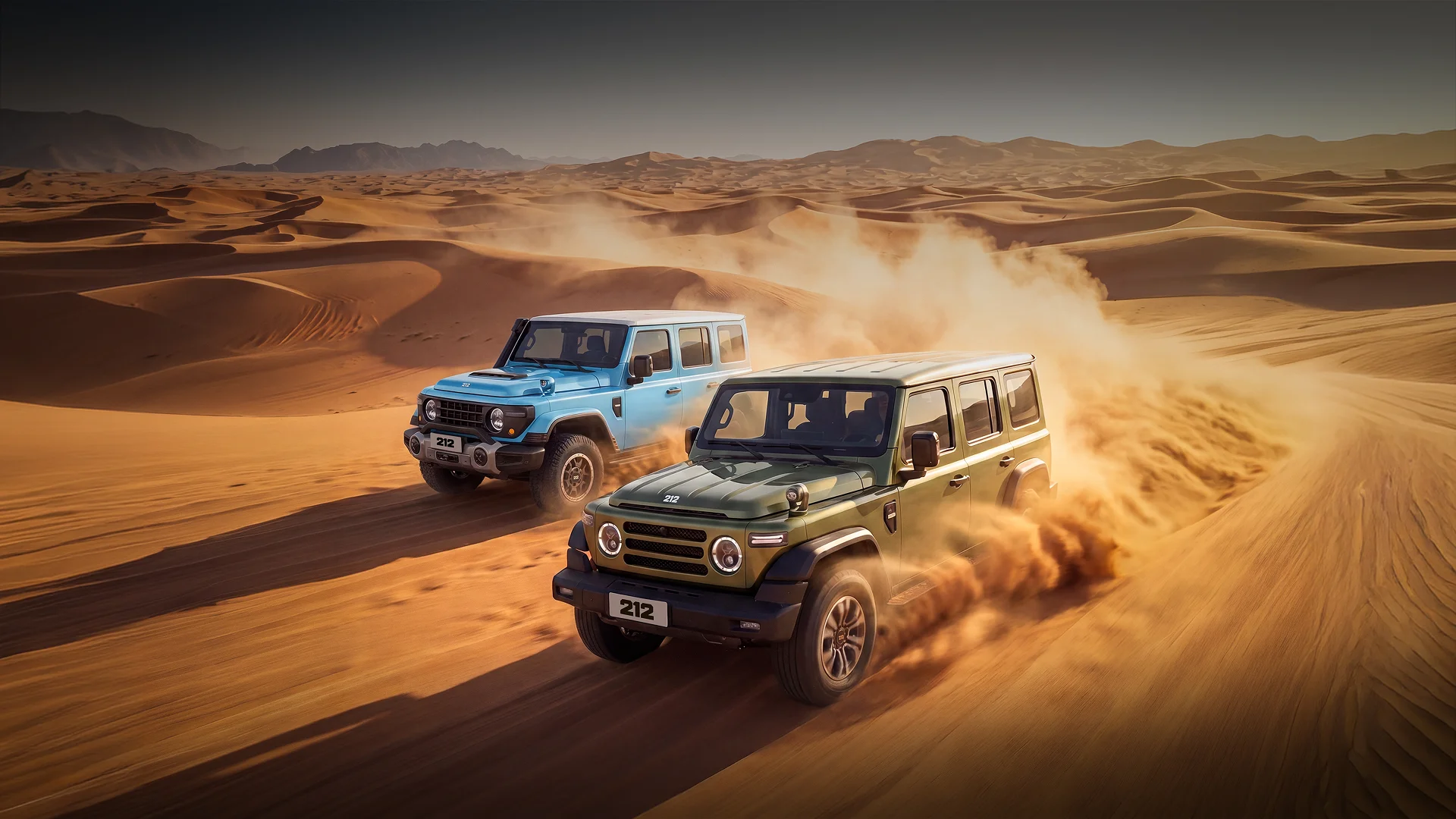
Suspension of both models consists of five-link rigid axle systems front and rear with ten selectable terrain drive modes of Rock, Sand, Mud, Wade, Mountain and Uneven.
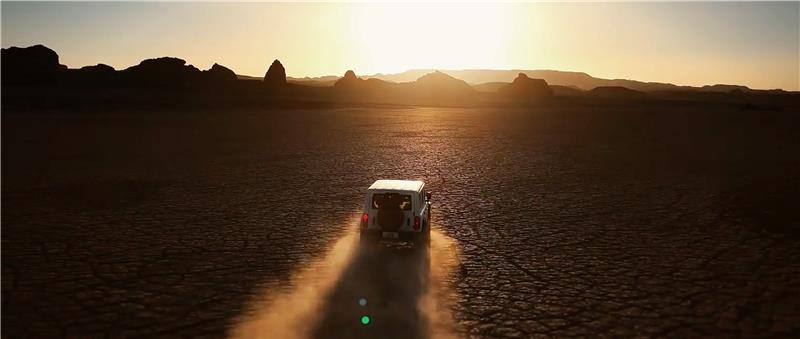
Regarding long-term durability, the 212 is engineered for military specifications and mechanically simple in design in order to operate over prolonged periods of tough use. The Navigator takes it to the next level, coming standard with a snorkel, cattle bar and trailer square mouth – the tools of a true off-roader.
Final Thoughts
The standards of excellence that must be met to create outstanding off-roading machines are quite simple. The issue is that they are rarely met simultaneously in any one vehicle at the right price level and with the proper amount of engineering experience behind the product. It can be done, though, and the 212 does it.
Frequently Asked Questions
- What is the key component in top rated off-road vehicles?[Text Wrapping Break]One of the most important aspects is probably the differential locks because they dictate how the vehicle gets its power to the wheels under harsh terrain conditions, and without them, the capacity of the vehicle in those conditions is severely reduced regardless of the engine power.
- Why does wading depth matter for everyday off-road driving?[Text Wrapping Break]In areas that get flooded after the rains due to the quick filling of the wadis and trails with water, the wading depth affects the number of passable routes greatly. The higher the wading depth is, the less routes get blocked by the rainwater.
- Is body-on-frame construction really necessary for off-road use?[Text Wrapping Break]For serious off-road terrain like rocky roads and steep ascents, body-on-frame structure is needed due to terrain flexibility and structure integrity requirements. This is one of the main features that separates the best off-road vehicles from only capable-looking models.